How OctoAlly Pro Is Putting AI Coding Agents on Autopilot with Kanban and Mobile Access
Product Curation & Core Value
The developer tooling ecosystem has a peculiar blind spot. AI coding agents like Claude Code and OpenAI Codex have grown remarkably capable, yet the workflow around them remains stubbornly primitive. Most developers still manage agent sessions through a scattering of terminal tabs, manual context switches, and constant supervision. OctoAlly Pro steps into this gap with a proposition that sounds almost too simple: give developers a structured pipeline for their AI agents and the freedom to walk away while the work continues.
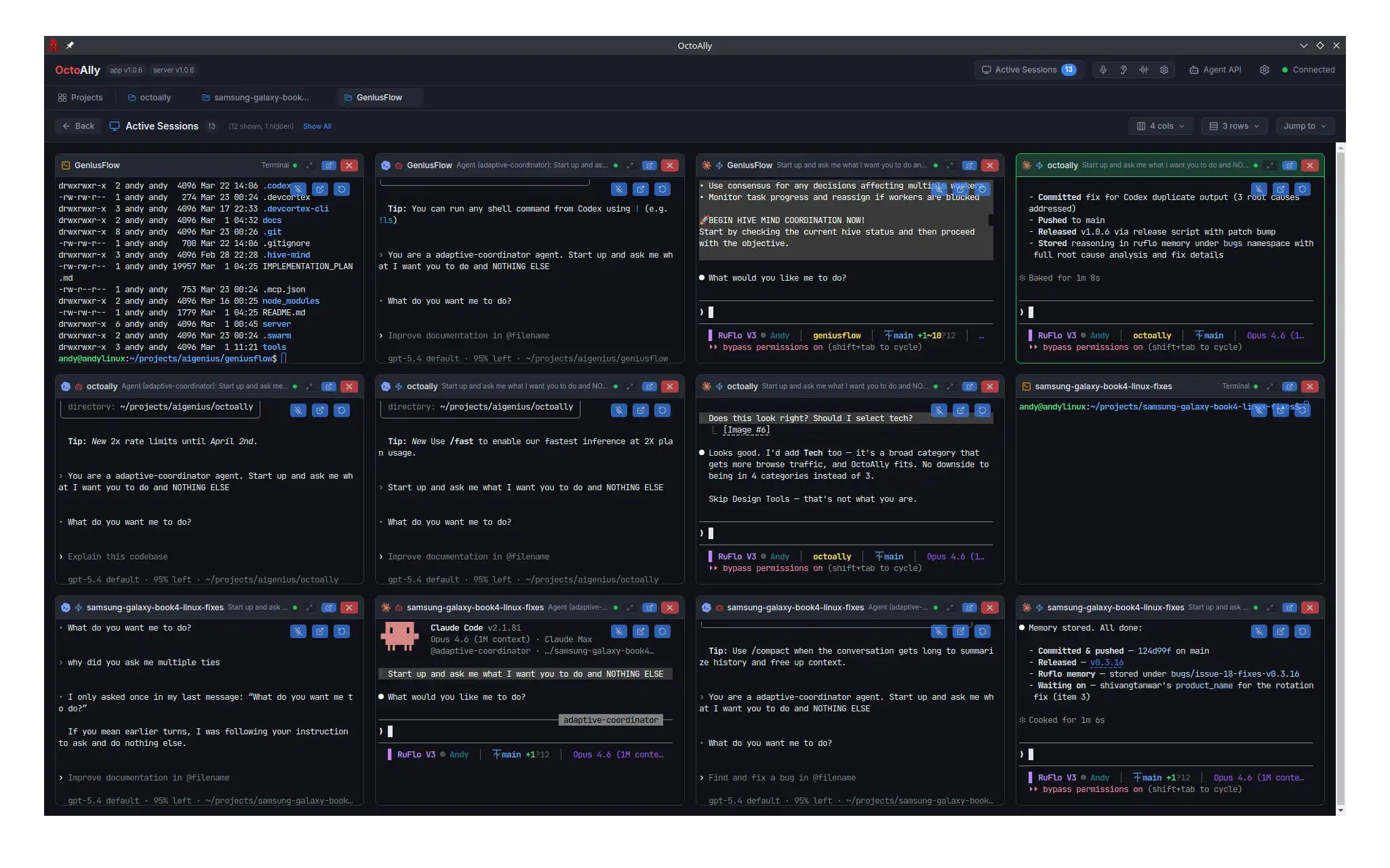
At its heart, OctoAlly Pro is an orchestration layer for AI coding sessions. It builds on the existing open-source OctoAlly dashboard—a unified interface for launching and monitoring Claude Code and Codex sessions—and adds three major upgrades that fundamentally change how developers interact with their AI agents.
The kanban board is the most visible addition. Every piece of work becomes a card that moves through clearly defined stages: Backlog, Research, Plan, Implement, Human Review, Done. This is not merely cosmetic. The board provides a shared mental model for the work pipeline, eliminating the cognitive overhead of tracking "what was that agent doing?" across multiple terminal windows. Developers can see at a glance where every task sits, which agents are active, and what requires their attention.
The automated workflow is where OctoAlly Pro earns its "autopilot" label. When a developer drops a card into the pipeline, specialist agents take over sequentially. A research agent maps the work, planner agents propose implementation options, and an implementer builds the solution. Each stage hands off to the next automatically. The developer only intervenes at decision points—choosing between planning options, reviewing diffs, or approving implementations. This transforms the developer's role from babysitter to decision-maker.
The mobile app completes the picture. Available for both iOS and Android, it mirrors the full desktop experience: browse the kanban board, kick off new cards, watch live agent output, review diffs, and even run terminal commands. This is not a stripped-down companion app. It is the same backend, same view, same capabilities, rendered on a phone screen. For developers who need to stay connected while away from their desk—commuting, traveling, or simply moving between rooms—this removes the tether to a workstation.
The v1 feature set is deliberately scoped for individual developers. Team features like shared projects, live team activity, and multi-agent swarms across humans are planned for post-launch. This is a wise constraint. Building a reliable multi-user orchestration system is significantly harder than a single-user one, and launching with a clean, well-tested individual experience builds trust before introducing the complexities of collaboration.
Technical Implementation & Strategy
OctoAlly Pro's technical architecture reveals a product built with practical engineering trade-offs rather than academic elegance. The foundation is the existing open-source dashboard, which already handles session management across Claude Code and OpenAI Codex, interactive terminals backed by tmux, git integration with side-by-side diffs, and voice dictation via local Whisper STT or cloud APIs. The Pro version layers the kanban board, automated workflow engine, and mobile synchronization on top of this proven base.
The automated workflow engine is the most technically interesting component. It does not simply chain agent calls in a linear sequence. Each card's journey through the pipeline involves specialized agents with domain-specific tools and knowledge. The research agent might access documentation and codebases, the planner agent evaluates architectural trade-offs, and the implementer agent writes code with awareness of the project's existing patterns. This specialization mirrors how human teams divide labor, but with the added advantage of automatic handoffs and consistent tooling.
The mobile app's "same backend, same view" approach is technically ambitious. Running terminal commands and viewing live agent output on a phone requires efficient streaming protocols and careful state management. Sessions that survive reboots, tmux-backed terminals that can be popped out and adopted back—these features demand a robust persistence layer that the open-source dashboard already provides. The mobile app extends this reach without duplicating logic.
One notable strategic choice is the dual CLI support. OctoAlly Pro handles both Claude Code and OpenAI Codex per session, with branded icons, separate commands, and per-CLI settings from a single interface. This is not trivial. The two models have different APIs, different capabilities, and different failure modes. Supporting both from a unified dashboard requires abstraction layers that can handle these differences gracefully. For developers who switch between models depending on the task, this flexibility is a genuine time-saver.
The voice dictation feature, powered by local Whisper STT with no cloud dependency, is a subtle but important privacy signal. API keys are encrypted at rest with AES-256-GCM. In an era of increasing scrutiny over AI tooling data handling, offering a local-first option for voice input demonstrates awareness of developer concerns about data sovereignty.
The distribution strategy is equally thoughtful. OctoAlly Pro is launching with a waitlist model, offering immediate access to the free open-source edition while building anticipation for the Pro features. This creates a natural upgrade path: developers can try the dashboard risk-free, experience its value, and then decide whether the Pro features warrant the investment. The "one email, no newsletter, no spam" promise on the waitlist page is a refreshingly honest communication strategy in a space cluttered with aggressive marketing.
Competitor Landscape & Industry Impact
The AI coding agent dashboard space is crowded but fragmented. Existing tools fall into three broad categories: terminal multiplexers like tmux and Screen, which offer session management but no AI awareness; AI-specific IDEs like Cursor and GitHub Copilot Chat, which integrate agents deeply into the coding experience but lack workflow orchestration; and project management tools like Linear and Jira, which provide kanban boards but no agent integration.
OctoAlly Pro occupies a unique intersection. It combines the session management of a terminal multiplexer with the structured workflow of a kanban board and the AI awareness of a dedicated agent dashboard. No existing tool offers this combination in a single product. The closest competitors are probably tools like LangChain's LangSmith or other agent observability platforms, but these are designed for debugging and monitoring agent behavior, not for managing a developer's daily workflow.
The trade-offs are worth examining. OctoAlly Pro's kanban approach imposes structure that some developers may find constraining. Not every coding task fits neatly into Research-Plan-Implement-Review cycles. Quick bug fixes, exploratory coding, or pair-debugging sessions may feel awkwardly forced into the card pipeline. The product's value proposition depends on developers having enough multi-step, long-running tasks to justify the overhead of the kanban system.
Another trade-off is the dependency on Claude Code and OpenAI Codex specifically. Developers who use other AI coding assistants—GitHub Copilot, Amazon CodeWhisperer, or local models—will find OctoAlly Pro irrelevant. The product is tightly coupled to these two platforms, which gives it focus but limits its addressable market. If Anthropic or OpenAI change their APIs significantly, OctoAlly Pro will need to adapt quickly.
The mobile app, while technically impressive, raises questions about usage patterns. How often will developers actually run terminal commands or review diffs on a phone? The feature set suggests a "check-in" use case—monitoring progress, approving decisions, and handling emergencies—rather than sustained coding. This is a legitimate niche, but it may not justify the development cost of maintaining two mobile platforms alongside the desktop experience.
For the industry, OctoAlly Pro signals a maturation of the AI coding agent ecosystem. The first wave of tools focused on making agents work at all. The second wave, which OctoAlly Pro represents, focuses on making them work within human workflows. This shift from "can the agent do the task?" to "how do I integrate the agent into my process?" is a natural evolution. Expect competitors to follow with their own workflow orchestration layers, potentially integrating directly into popular IDEs rather than requiring a separate dashboard.
Brand Naming & Domain Identity Analysis
The name "OctoAlly" is a well-constructed portmanteau that communicates the product's core value proposition with remarkable efficiency. "Octo" derives from the Greek root for eight, but in modern tech usage, it has come to suggest multiplicity, versatility, and parallel capability—think Octopus with its eight arms, or Octocat, GitHub's multi-limbed mascot. "Ally" positions the product as a partner rather than a tool, a collaborator rather than a utility. Together, the name suggests a multi-agent partner, which is exactly what the product delivers.
This naming strategy aligns cleanly with the three pillars of effective startup naming. From the AI Domain Naming perspective, "OctoAlly" is descriptive enough to signal its domain (AI agent orchestration) without being generic. It does not use the tired "AI" suffix or prefix that has become a cliché in the space. Instead, it implies intelligence through the "Ally" component—an ally that happens to be AI-powered.
For TLD Intelligence, the choice of octoally.com is straightforward but effective. The .com TLD remains the gold standard for professional software tools. It signals legitimacy, stability, and global reach. The domain is short—just eight letters plus the TLD—making it easy to type, remember, and share verbally. There is no hyphen, no unusual spelling, no confusing homophones. A developer can hear "OctoAlly dot com" once and type it correctly.
The brand also aligns with the Startup Naming Playbook principles. The name is distinctive enough to be trademarkable and searchable. A Google search for "OctoAlly" returns only the product, with no ambiguity. The name works across cultures—"octo" is recognizable in most European languages, and "ally" is a common English word with positive connotations. The visual branding, with its octopus-inspired logo (visible on the website), reinforces the name's meaning without being literal or cartoonish.
One potential concern is the "Octo" prefix's association with other tech products. GitHub's Octocat, Octopus Deploy (a CI/CD tool), and various "Octo-" branded products could create some mental overlap. However, the "Ally" suffix distinguishes OctoAlly clearly, and the target developer audience is likely familiar enough with these references to appreciate the naming convention rather than confuse it.
The tagline, "Autopilot for AI coding agents," is precise and evocative. It borrows the aviation metaphor of autopilot—a system that handles routine operations while the human pilot focuses on higher-level decisions. This is exactly the value proposition: the developer sets the course, and OctoAlly Pro handles the execution. The tagline is short enough to fit in a tweet, descriptive enough to explain the product in six words, and aspirational enough to promise a better workflow.
Growth & Future Outlook
OctoAlly Pro's growth trajectory depends on several factors, but the signals are promising. The open-source edition provides a natural funnel: developers try the free dashboard, experience its value, and upgrade to Pro when they need the kanban board, automated workflow, or mobile access. This freemium model has proven effective for developer tools like VS Code, GitLab, and Sentry, where the free tier builds habit and the paid tier unlocks power features.
The timing of the early summer 2026 launch is strategic. By then, Claude Code and OpenAI Codex will likely have released several updates, potentially expanding their capabilities and adoption. The AI coding agent market is growing rapidly, and tools that reduce friction for power users will find a receptive audience. The waitlist approach allows OctoAlly to gauge demand and build a launch list of engaged early adopters who can provide feedback and word-of-mouth promotion.
The post-launch roadmap of team features—shared projects, live team activity, and multi-agent swarms across humans—opens a larger market. Individual developer tools are a solid starting point, but team collaboration tools command higher prices and stickier adoption. If OctoAlly can execute on team features without compromising the individual experience, it could become a standard part of the AI-assisted development workflow for small teams and startups.
Potential hurdles include competition from IDE-integrated solutions. If Cursor, VS Code, or JetBrains add similar kanban-based workflow orchestration directly into their editors, OctoAlly's separate dashboard becomes harder to justify. The company's response to this threat will be critical. One advantage is that OctoAlly is model-agnostic (within the Claude Code/Codex ecosystem) while IDE integrations tend to favor their own AI assistants. Another is the mobile app, which no IDE currently offers.
The pricing model remains undisclosed, which is a concern. Developer tools have a wide pricing range, from free (with limited features) to $20-50 per month for individual plans. OctoAlly Pro needs to find a price point that reflects its value without pricing out the individual developers who are its target audience. Too high, and developers will stick with the free open-source edition. Too low, and the business model may not sustain long-term development.
From an expert perspective, OctoAlly Pro addresses a genuine pain point in the AI coding workflow. The kanban board, automated workflow, and mobile app are not gimmicks—they solve real problems that developers encounter daily when working with AI agents. The product's focus on individual developers before team features is a smart sequencing decision. The open-source foundation builds trust and community. The waitlist launch generates anticipation and allows for controlled scaling.
The ultimate question is whether OctoAlly Pro can become indispensable enough that developers are willing to pay for it. The answer depends on execution: the automated workflow must be reliable enough to trust with long-running tasks, the mobile app must be performant enough to be genuinely useful, and the team features must deliver on their promise without introducing complexity. If OctoAlly can deliver on these fronts, it has the potential to become a standard tool for AI-assisted development—not a revolution, but a practical, well-designed solution to a problem that developers have been living with for too long.
Related
Snaply: The Mac-Native AI Assistant That Keeps Your Data Private While Boosting Productivity
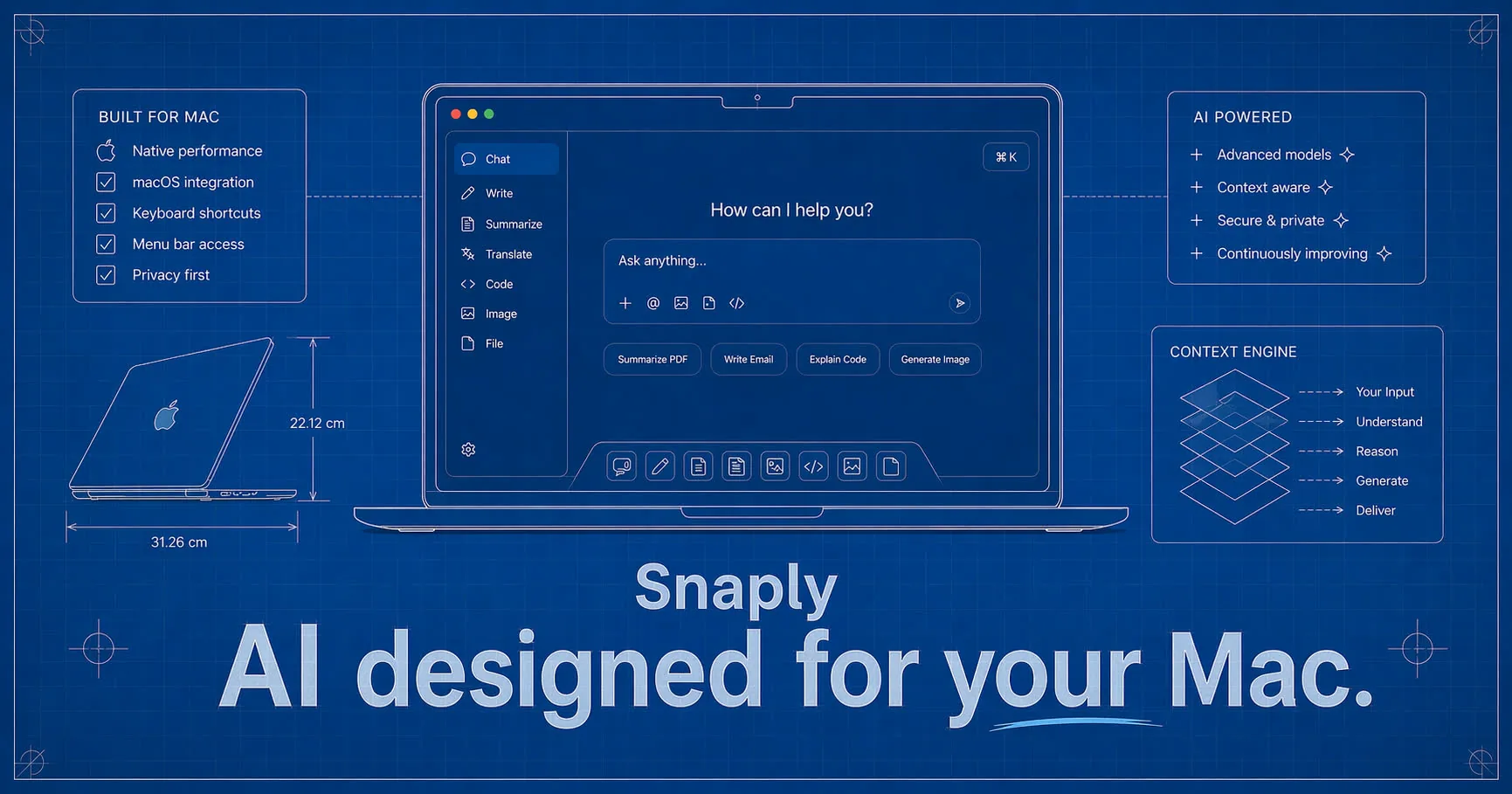
Snaply is a free, on-device AI assistant for Mac that offers instant dictation, automatic meeting notes, and writing assistance across all your favorite apps, with a strong emphasis on privacy.
How Cloudback Is Redefining Developer Backup: Automated Daily Backups for GitHub, GitLab, Azure DevOps, and Linear
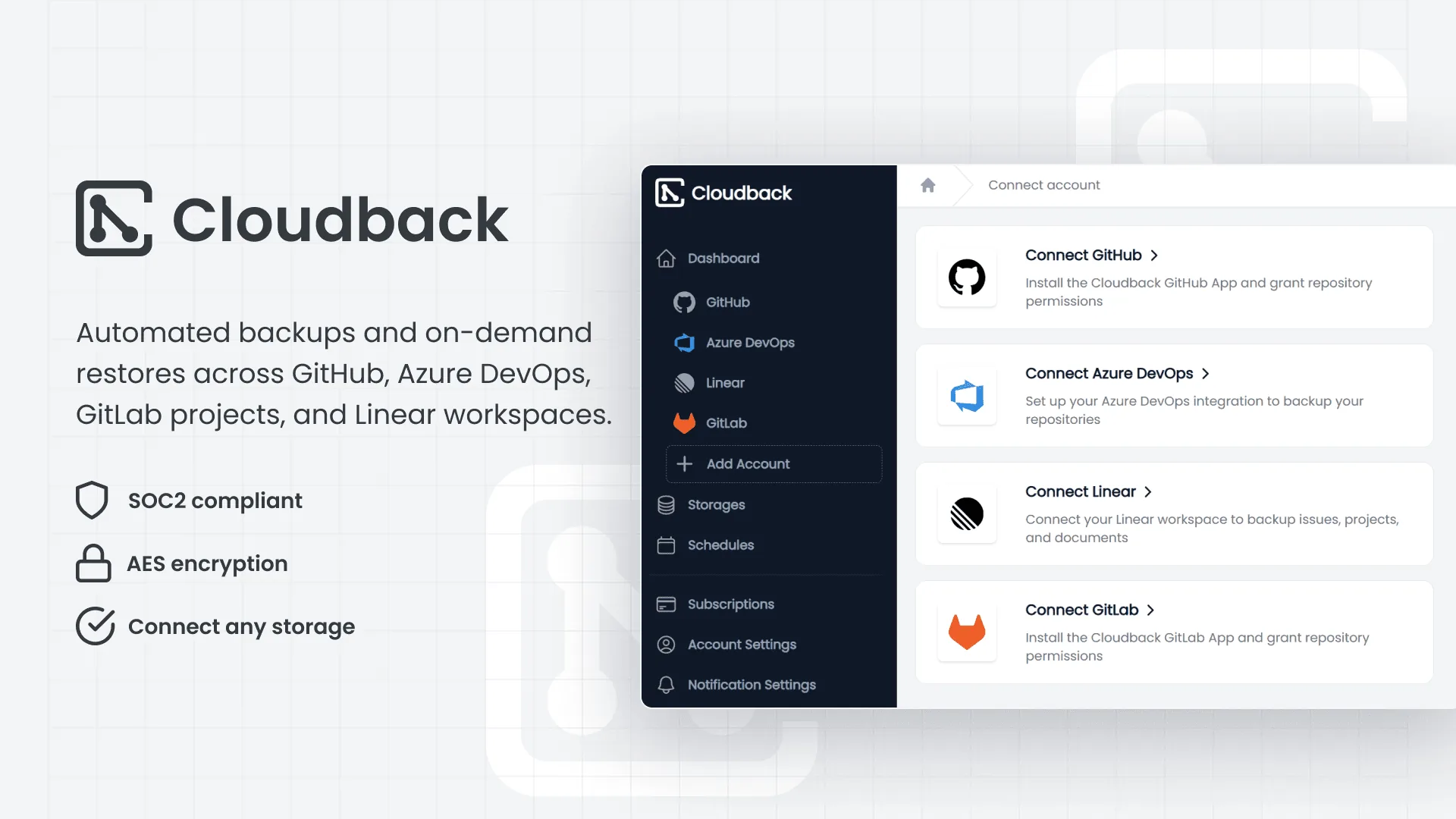
Cloudback provides automatic daily backups and instant restores for GitHub, GitLab, Azure DevOps, and Linear, capturing full repositories, metadata, and LFS objects. With over 1,700 customers and 4 million backups created, it offers SOC 2 Type II compliance, encryption, and flexible storage options.
Supabase: The Open Source Firebase Alternative Empowering Developers with Postgres
Supabase is an open-source backend-as-a-service that provides a full Postgres database, authentication, instant APIs, and more, trusted by companies like Mozilla and GitHub.